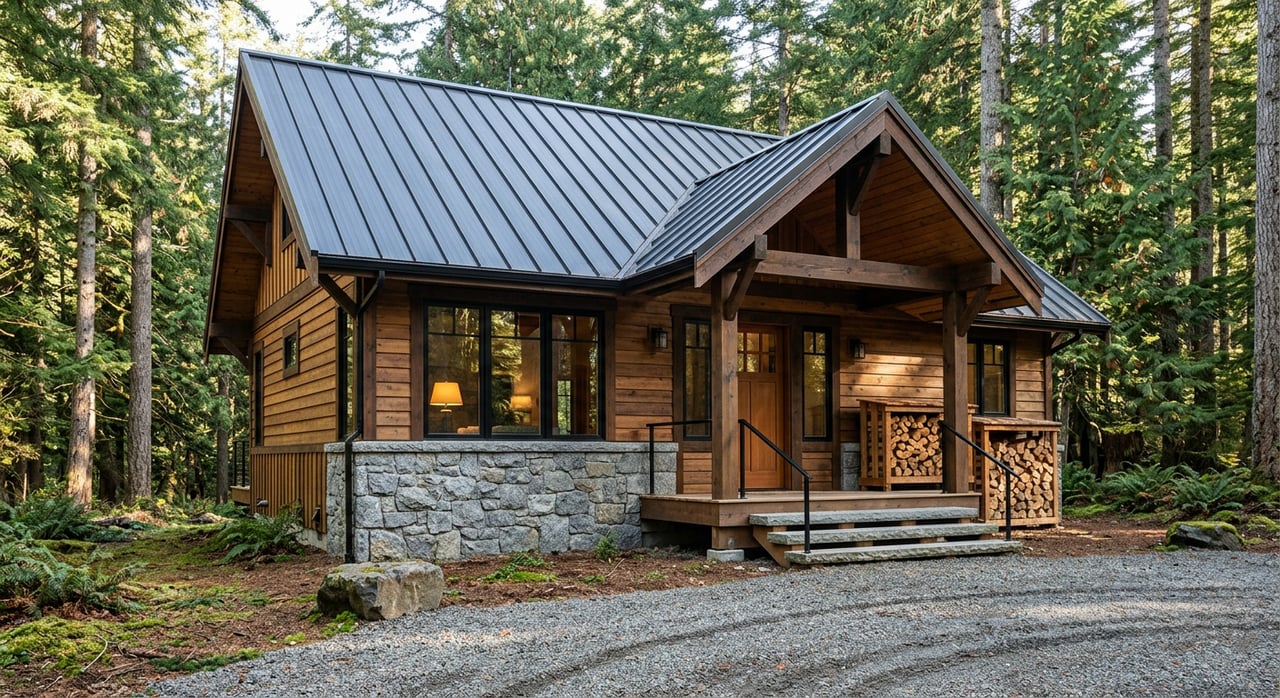
Dreaming about a pine-framed cabin steps from the water, or a simple retreat where you can unplug on the weekends? Spirit Lake gives you the small-town North Idaho feel with real variety in homes and settings. If you are weighing a second home or seasonal place here, you want clear answers on access, utilities, rental options, and financing before you fall in love. This practical guide walks you through what to expect so you can buy with confidence. Let’s dive in.
Why Spirit Lake works for getaways
Spirit Lake sits in Kootenai County in the heart of North Idaho’s lake country. You reach town on State Highway 41, which connects north and south to the I‑90 corridor for easy regional access. Review the route and approach for any property you are considering by checking Idaho State Highway 41.
If you travel by air, Spokane International Airport is the closest major hub, roughly a 50 to 60 mile drive depending on route. Weather shifts with the seasons, and winter brings snow, ice, and extra planning for heat and access. Use local climate data to plan visits and budgets for winter readiness by reviewing the Spirit Lake climate summary.
What you can buy here
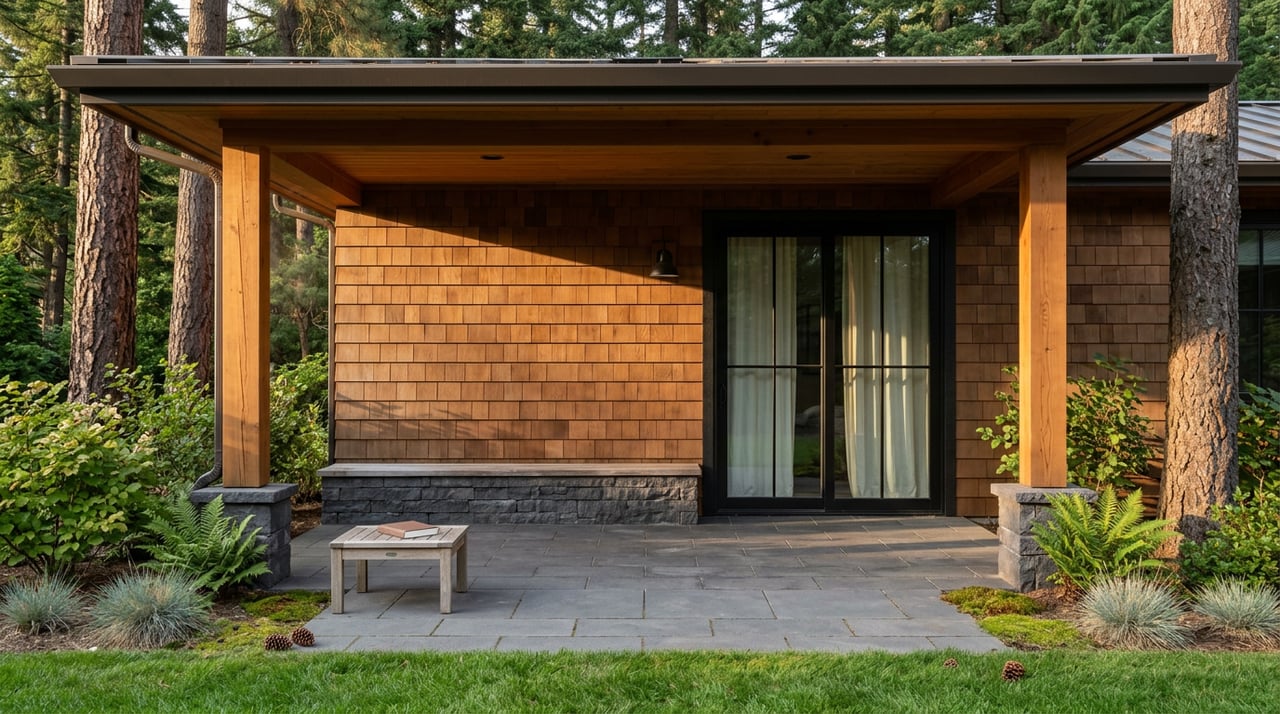
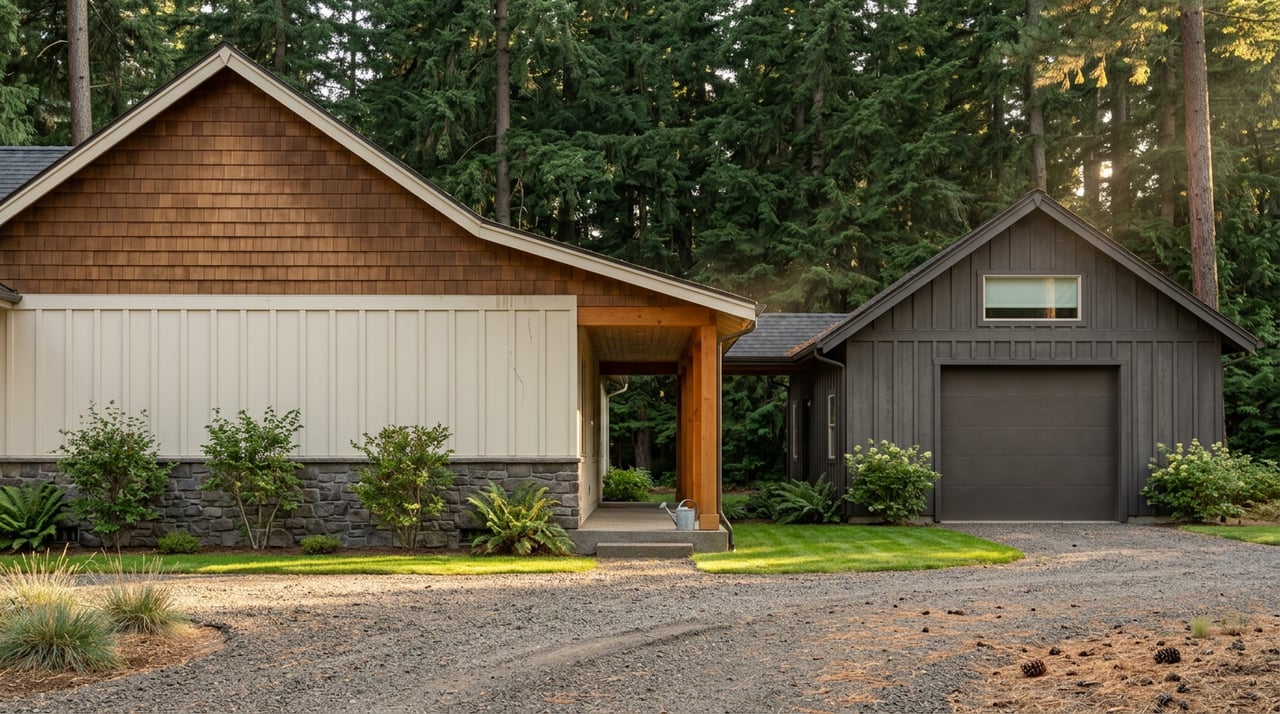
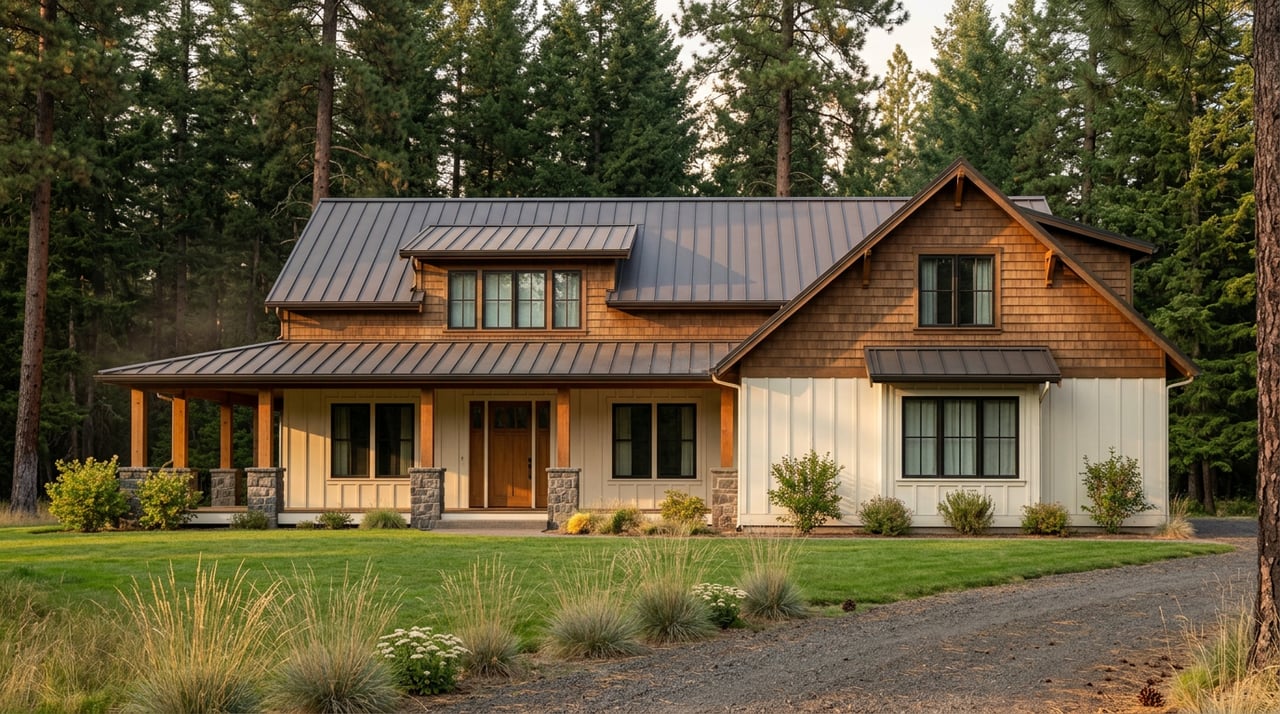
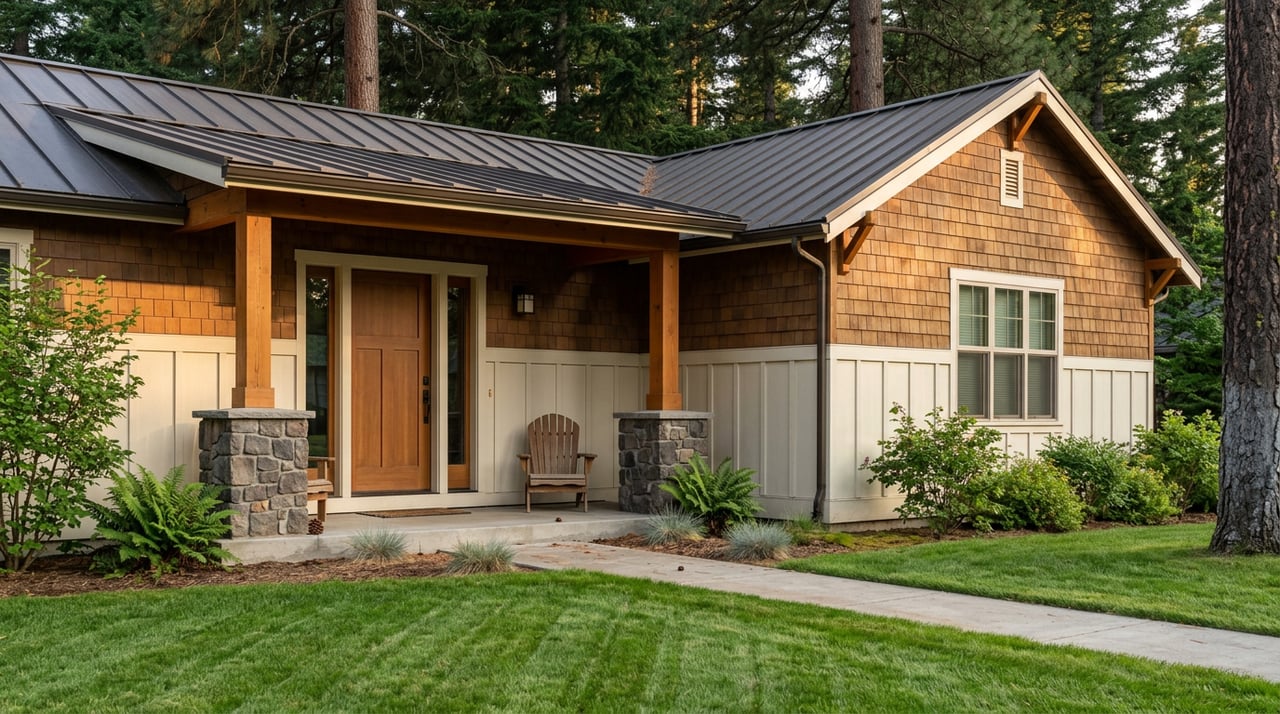
You will see a true range of property styles around Spirit Lake. Options include:
- Small lakefront cabins and seasonal cottages with limited but direct water access.
- Updated in-town homes or year-round cabins on smaller lots close to shops and services.
- Log cabins and “cabin plus acreage” lifestyle parcels for more privacy and room to roam.
- Manufactured or modular homes, often on acreage with shops or guest spaces.
- Rustic or off-grid cabins that may rely on wood or pellet heat, solar arrays, spring water, or older septic systems.
Spirit Lake is a small market, so single sales can move median prices more than you might expect. Different data providers often report different medians at the same time. Focus on recent comparable solds and the specific features of the property you want rather than a single headline median.
Access and seasons to plan around
Winter conditions matter in North Idaho. Expect snow and ice, plan for plowing, and factor the grade and surface of your driveway into due diligence. Inside city limits, streets receive municipal services. Outside the core and around lake pockets, many roads are gravel or private. Confirm who plows, who pays for road upkeep, and whether there is a formal road maintenance agreement or HOA.
Paid services like sanding, plowing, and chimney sweeping often book up early in winter. If you plan to use the home seasonally, set up a service calendar for heating fuel, chimney cleaning, and driveway maintenance before the first freeze. The climate resource above will give you a feel for average snowfall and temperature swings.
Utilities, sewer, wells, and septic
City utility availability can directly affect whether you can build or connect to sewer. The City of Spirit Lake has posted updates related to a sewer moratorium, which is important if you are buying a lot or planning an addition. Always confirm current status with Public Works by checking the city’s Utilities and Billing page.
Many desirable parcels around the lake rely on private wells and onsite sewage systems. The best practice is to pre-inspect the septic and test the well for quality and production before you remove contingencies. For a quick overview of what to test and why it matters, review this local guide on pre-inspecting septic and wells. Expect to budget for routine septic pumping and potential upgrades on older systems, and plan for annual well testing.
Heating systems in cabins vary. You’ll see wood stoves, pellet stoves, and propane furnaces, sometimes with electric backups. Schedule annual chimney and vent maintenance, and keep propane accounts on auto-fill if you plan to visit in winter.
Roads, easements, and private utilities
Before you write an offer, verify the exact access to the property. You want clarity on recorded easements, driveway location, and standards for emergency-vehicle access. Kootenai County’s Land Use and Development Code addresses private road standards and easements, and your title report should reflect any recorded maintenance obligations. Review the county’s Land Use and Development Code and ask your agent and title officer to confirm what is recorded for the parcel.
Also confirm where utilities terminate. On rural or off-grid parcels, you may need to extend power or propane lines. Internet options can vary by road and provider, so get written confirmation from the utility or ISP before you rely on remote work from the cabin.
Short-term rentals and rental potential
If you plan to offset costs with short-term rentals, you need to confirm both county rules and any city or HOA standards. Kootenai County’s code includes categories that determine if a parcel can operate as a vacation rental and sets parking and performance standards. Start with the county’s Land Use and Development Code to pull zoning and permitted uses.
Idaho’s Short-Term Rental and Vacation Rental Act shapes what counties and cities can regulate. Recent Idaho Supreme Court interpretation limits local rules that function as outright bans on a statutory class of STRs, while still allowing reasonable health and safety regulations. For context, see this summary of the court’s interpretation of the Act in Idaho short-term rental law. Always confirm the latest permit steps with the local jurisdiction and read any recorded covenants.
Rental performance in North Idaho is seasonal. Summer demand tends to be strongest, with shoulder and winter months lower. The most reliable pro forma comes from a local property manager who can pull true comps for similar waterfront, near-water, and in-town homes.
Financing for second homes
Your financing path depends on how you plan to use the property. If this is a true second home for personal use, many lenders treat it differently than an investment property. Agency underwriting usually requires a second home to be a one-unit dwelling that is suitable for year-round use and occupied by you for part of the year. If you plan to rent it, lenders may classify the loan as an investment, which typically means larger down payments and higher reserve requirements. For definitions and guidance, see the Fannie Mae Selling Guide overview of occupancy in this reference copy and verify specifics with your lender.
Loan size also matters. The Federal Housing Finance Agency sets annual conforming loan limits. If your price exceeds the Kootenai County limit, you may move into jumbo financing with different terms and underwriting. Review FHFA’s update on 2026 conforming loan limits and confirm the current county limit before you shop.
FHA and VA loans are primarily designed for primary residences, so they are usually not an option for a second-home purchase. Manufactured homes have unique financing rules around foundation and permanent attachment, so verify the home type before assuming standard mortgage eligibility.
Your practical buyer checklist
Use this quick list to shorten your learning curve and reduce surprises:
- Confirm sewer availability and the current city sewer moratorium status for the parcel. If a connection is not available, budget time and cost for septic design and permitting.
- Order a licensed septic inspection and a well-quality and production test early in your due diligence.
- Verify road access, recorded easements, and private-road maintenance agreements. Ask about winter plowing and sanding, and confirm emergency-vehicle access standards.
- Pull zoning and permitted uses through Kootenai County Community Development. Confirm whether short-term rental use is allowed for this parcel and whether a performance standard or permit applies.
- Price insurance for wildfire and flood. Check FEMA flood maps for the parcel on the FEMA Map Service Center and ask your insurer for quotes and coverage options.
- Get loan scenarios for second home versus investment property. Confirm the local conforming loan limit and how it affects your down payment and rate.
- Build a seasonal maintenance plan. Line up propane, chimney, and plow vendors before winter, and schedule annual well and septic service.
Work with a local guide who handles the details
Buying a cabin or second home in Spirit Lake should feel exciting, not stressful. You deserve clear answers on roads, utilities, rental rules, and financing so you can focus on the lifestyle you want. If you would like a local, concierge-style approach with remote-friendly support, FaceTime walkthroughs, and tight coordination with inspectors and title, I am here to help.
Have questions or want to explore on a quick call? Reach out to Rachael Holzhauser to schedule a free consultation.
FAQs
What types of cabins are common in Spirit Lake?
- You will find small waterfront cottages, updated in-town cabins, log homes on acreage, manufactured homes on larger parcels, and rustic or off-grid cabins with wood or pellet heat.
How does winter affect cabin access in Spirit Lake?
- Winter brings snow and ice, so confirm driveway slope and surface, who plows private roads, and whether emergency-vehicle access standards are met. Budget for plowing and sanding.
Can you operate a short-term rental in Spirit Lake or nearby?
- It depends on zoning, permitting, and any HOA rules. Review the county code, check city requirements, and confirm that local rules align with Idaho’s STR law before you buy.
What should I know about Spirit Lake’s sewer availability?
- The city has posted updates tied to a sewer moratorium that affect new connections. Check the city’s utilities page and confirm status with Public Works before writing an offer.
How do septic and well inspections work for lake-area cabins?
- Hire licensed pros to inspect the septic, pump if needed, and test the well for quality and production. Do this during contingencies so you can negotiate repairs or plan upgrades.
What loans work for a second home in Spirit Lake?
- Many buyers use conventional financing if the property meets second-home standards. If you plan to rent it, lenders may classify it as an investment loan with different terms.