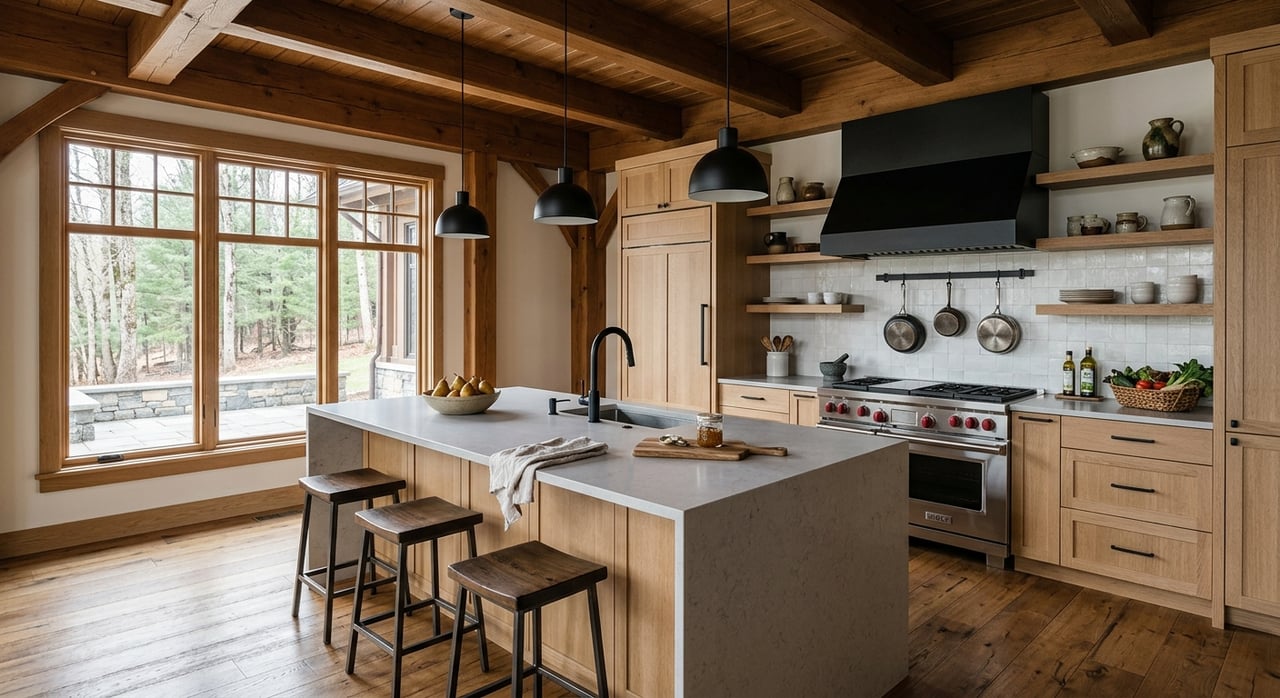
Thinking about a brand-new home in Athol? New construction can be exciting, but in a place like Athol, the opportunity is often about more than picking a floor plan and finishes. You may also need to look closely at the lot, permits, utilities, and who is responsible for each part of the process. This guide will help you understand what to ask, what to verify, and how to compare your options with confidence. Let’s dive in.
Why Athol New Construction Feels Different
Athol sits at the crossroads of U.S. 95 and State Highway 54 in northern Kootenai County. It is surrounded by farmland and forested areas, with nearby destinations like Silverwood Theme Park and Farragut State Park shaping its local identity. That setting can make new construction especially appealing if you want newer finishes, more land, or a home that fits a North Idaho lifestyle.
At the same time, Athol is not a fully built-out subdivision market where every detail is standardized. City information notes that several projects are under review or in early development. That means your choices may include spec homes, custom builds, vacant land packages, or homes in areas where planning and infrastructure details still matter a great deal.
Start With the Jurisdiction
One of the first questions to ask is simple: which rules apply to this property? In Athol, that can shape your timeline, permit requirements, and site planning process.
The city has a formal planning framework that includes a comprehensive plan, transportation plan, water master plan, road standards, permit applications, zoning map, and city-impact map. Depending on the parcel, you may be dealing with Athol city processes, Kootenai County processes, or a combination of both. Before you commit, it is smart to confirm exactly which jurisdiction controls the lot and what approvals are already in place.
This matters because a polished listing sheet does not always tell the full story. A home may look close to completion, but the underlying site work, permit path, and occupancy requirements still need to line up.
Know the Difference Between Spec and Custom
Not all new construction is the same. In Athol, you may see a mix of homes that are already underway and homes that are still in the planning stage.
A spec home is built by a builder before a buyer is under contract. These homes are typically designed to sell quickly, with most design choices already made. They are often closer to move-in ready and may close faster.
A custom home is designed for a specific buyer and lot. With a custom build, you usually have more control over design and materials, but the process is slower and can be less predictable. Costs and timelines may also shift as decisions and site conditions evolve.
Some opportunities fall somewhere in the middle. A builder may have a home under construction and allow a few finish selections if you get involved early enough. If you are considering a home like that, ask which choices are still available now, and which changes would need to wait until after closing at your expense.
Look Beyond the Floor Plan
In Athol, the lot can be just as important as the house. That is especially true when a site may need septic, grading, a driveway, or utility coordination.
Athol’s building location and land use permit application requires a detailed plot plan. That plan must show lot lines, easements, septic tanks and drainfields, water and electrical lines, existing and planned structures, distances to property lines, driveway location, and a north arrow. The city also asks for a floor plan and at least two elevations.
That tells you something important as a buyer: site planning is not a side issue here. It is a central part of whether the home works well on the land and whether the approval process moves smoothly.
Why orientation matters
Lot orientation can affect comfort, light, and energy performance. The U.S. Department of Energy notes that south-facing windows can capture winter sun, north-facing windows often provide more even light, and east- and west-facing openings can create more glare and summer heat gain.
In practical terms, that means you should ask how the home sits on the lot, where the main windows face, and how outdoor living areas are positioned. In Athol, where the permit process already emphasizes a north arrow and a full plot plan, these details are worth reviewing early.
Septic, Wells, and Site Work Can Shape the Deal
If the property is not served in the same way as a typical in-town subdivision lot, site conditions may have a major effect on cost and timeline. That is why utility questions should come early, not after you are emotionally committed.
Panhandle Health District says septic approval depends on site-specific factors such as sewage flow, home size and location, wells or springs, surface water, groundwater, grading or benching, soil type, and distances to neighboring structures. It also recommends that developers meet with environmental health staff before site work or surveying begins.
For you, that means a beautiful homesite may still need careful review. If the parcel will use septic or a private well, ask whether approvals are complete, whether testing has been done, and whether the current home design matches the approved site conditions.
Site questions worth asking
- Will this lot use septic, a private well, or other site-specific utility solutions?
- Has septic approval already been obtained?
- Has any grading, driveway work, or site disturbance been approved?
- Are there easements or setbacks that affect where structures can go?
- Does the current home plan match the lot’s approved layout?
These questions can help you compare one new construction opportunity against another in a more realistic way.
Understand Permits Before You Commit
Athol requires a building location permit before construction starts. The city also notes that inspections may occur before, during, or after construction. For new driveways, roads, grading, and similar work, site disturbance permits are required.
Kootenai County separately requires building permits and a certificate of occupancy before a structure can be used or occupied. If you are buying a home that is nearly complete, do not assume that “almost done” means “ready to close.” It is reasonable to ask what has been approved, what remains open, and whether the certificate of occupancy timeline is on track.
A simple way to stay organized is to request a written status update from the builder or seller. That can help you see whether the deal is truly move-in ready or still dependent on final approvals.
Verify the Builder’s Registration and Paperwork
Builder credibility matters in every market, but especially in a growing area where projects may be in different stages of development. In Idaho, the key point is that contractors are registered, not licensed, under the Contractor Registration Act.
The Idaho Division of Occupational and Professional Licenses says registered contractors must display their registration number on advertising, contracts, building permits, letterheads, purchase orders, subcontracts, and at the jobsite. DOPL also says that if a contractor is not properly registered, the builder may be unable to obtain building permits and may lose lien rights.
That makes registration a basic screening step. If you are considering new construction, ask for the contractor’s registration number and confirm that the paperwork is consistent across the contract, permit documents, and marketing materials.
Additional credibility signals
You can also ask about written practices that reflect professionalism and accountability, such as:
- Clear written contracts
- Proof of general liability insurance
- Proof of workers’ compensation coverage when applicable
- A written home warranty on newly constructed projects
- A clean process for walkthroughs, punch lists, and post-close service requests
Another positive signal is participation in the Idaho Home Builders Association’s voluntary Certified Master Builder program, which requires at least 10 years of experience, proof of insurance, written contracts, a clean building record, and a minimum one-year written home warranty on newly constructed projects.
Ask What Is Included Versus Upgraded
A common source of frustration in new construction is assuming that the model, marketing photos, or finish boards reflect the final home exactly. In reality, some features may be standard while others are priced as upgrades.
Before you move forward, ask for a written list of what is included in the purchase price. Then compare that list against what you saw in person or in marketing materials. If the home is still under construction, ask which selections remain open and what deadlines apply.
This is especially important if you are comparing a spec home with a semi-custom opportunity. A lower base price can look appealing until you realize that flooring, appliances, landscaping, or other finish items may not be included at the level you expected.
Do Not Skip the Walkthrough and Inspection Mindset
A new home can still have defects. That is why a careful final review matters, even when everything smells fresh and looks spotless.
Chase recommends that buyers tour new homes thoroughly, ask the builder about warranties, and get a home inspection because new homes can still have issues. A professional inspection can help you spot incomplete work, installation problems, or items that need correction before closing.
You should also ask how the builder handles the final walkthrough and punch list. Find out when warranty coverage starts, what it covers, how claims are submitted, and who your point of contact will be after closing.
A Smart Way to Compare Athol Opportunities
If you are looking at more than one new construction property in Athol, it helps to compare them side by side using the same decision points. That keeps you focused on value, not just finishes.
Here is a simple framework:
| Category | What to Compare |
|---|---|
| Home type | Spec, custom, or in-between |
| Jurisdiction | Athol city, Kootenai County, or both |
| Site readiness | Septic, well, grading, driveway, utility status |
| Permits | What is approved and what remains outstanding |
| Included features | Standard finishes versus upgrades |
| Builder credibility | Registration, insurance proof, written warranty |
| Closeout process | Inspection, walkthrough, punch list, occupancy timing |
A home with fewer design choices may still be the better fit if the lot is straightforward, permits are on track, and the finish package is clearly defined. On the other hand, a more customizable option may be worth the extra time if the site is well planned and the builder communicates clearly.
Why Guidance Matters in Athol
New construction in Athol can offer real opportunity, especially if you want a newer home, more room, or a property that fits a North Idaho lifestyle. But the strongest decisions usually come from looking at the full picture, not just the renderings.
When you understand the difference between spec and custom, confirm the jurisdiction, review site conditions, and ask for written proof on key builder details, you put yourself in a much stronger position. That is particularly helpful if you are relocating, buying remotely, or trying to compare several options at once.
If you want a local, concierge-style guide to help you evaluate new construction opportunities in Athol and across North Idaho, connect with Rachael Holzhauser. She can help you compare properties, ask sharper questions, and move forward with more clarity.
FAQs
What should you ask about a new construction home in Athol first?
- Ask whether the property is a spec home, a custom build, or something in between, and confirm whether Athol city, Kootenai County, or both control the parcel.
What permits matter for new construction in Athol?
- Athol requires a building location permit before construction starts, and site disturbance permits are required for new driveways, roads, grading, and similar work. Kootenai County also requires building permits and a certificate of occupancy before use or occupancy.
Why do septic and site conditions matter for Athol new builds?
- Panhandle Health District says septic approval depends on site-specific conditions like soil, groundwater, grading, setbacks, nearby wells, and house placement, so the lot can affect both cost and timing.
How can you verify an Idaho builder for an Athol project?
- Ask for the contractor’s Idaho registration number and review whether it appears consistently on advertising, contracts, permits, and jobsite materials.
Should you get an inspection on a newly built home in Athol?
- Yes. New homes can still have defects, so it is smart to do a thorough walkthrough, ask detailed warranty questions, and consider a professional home inspection before closing.
What should be in writing for an Athol new construction purchase?
- You should request written details on included finishes, upgrades, warranty terms, remaining permits, inspection or walkthrough procedures, and any disclosures required for residential work over $2,000.