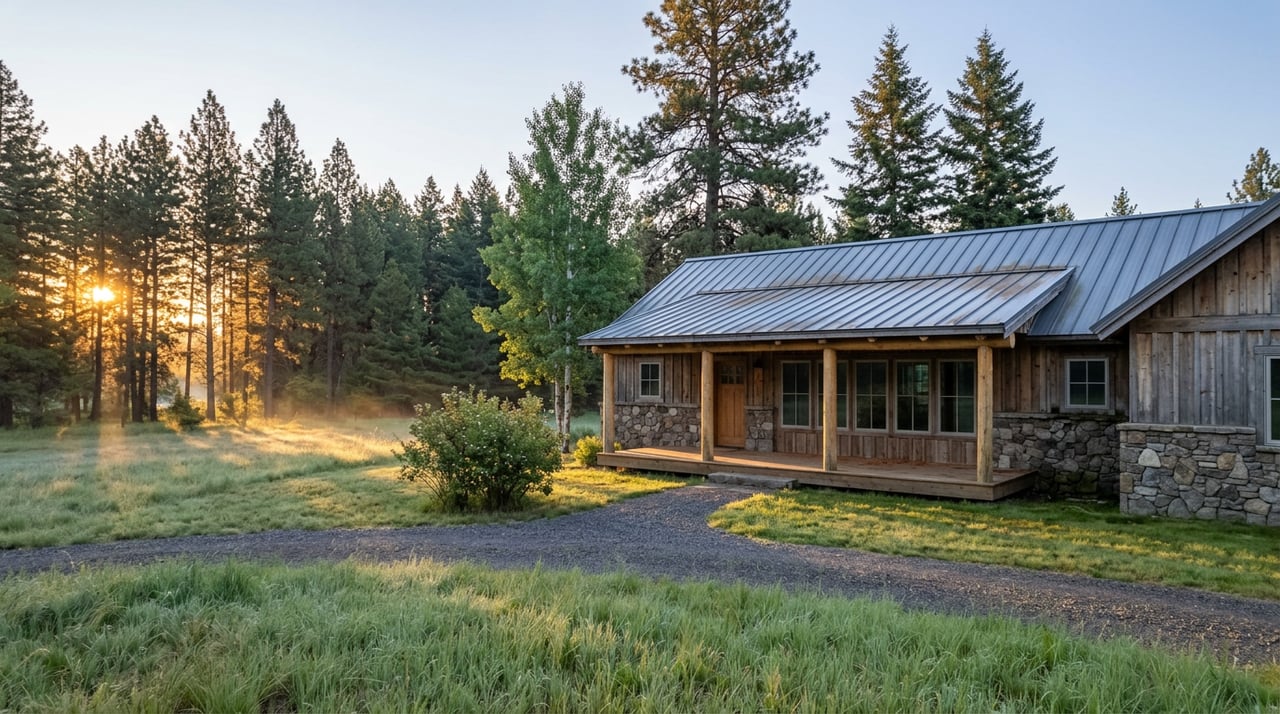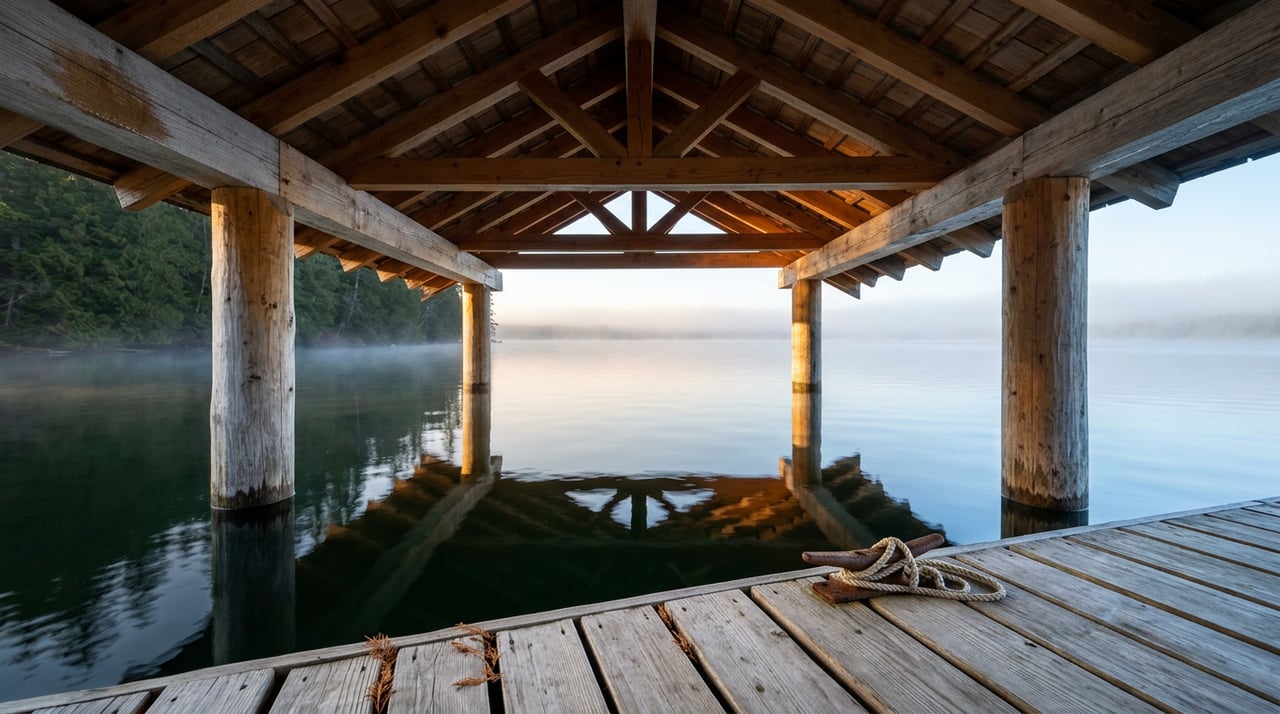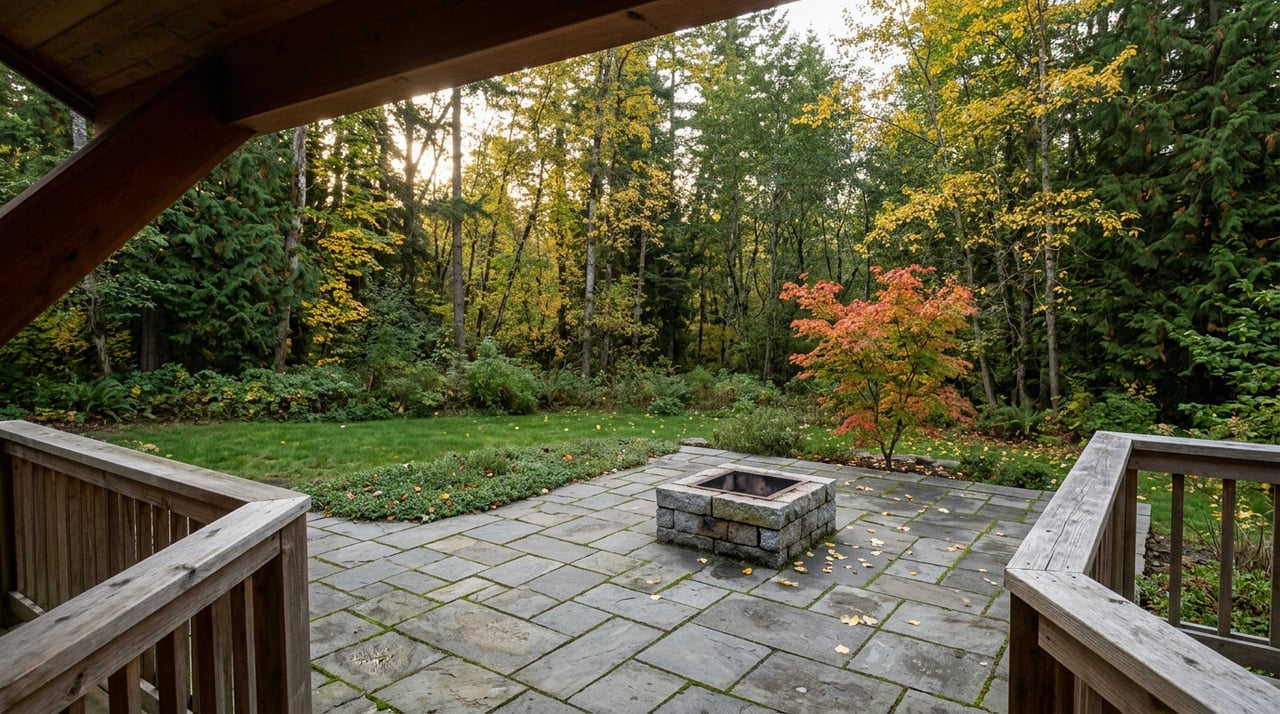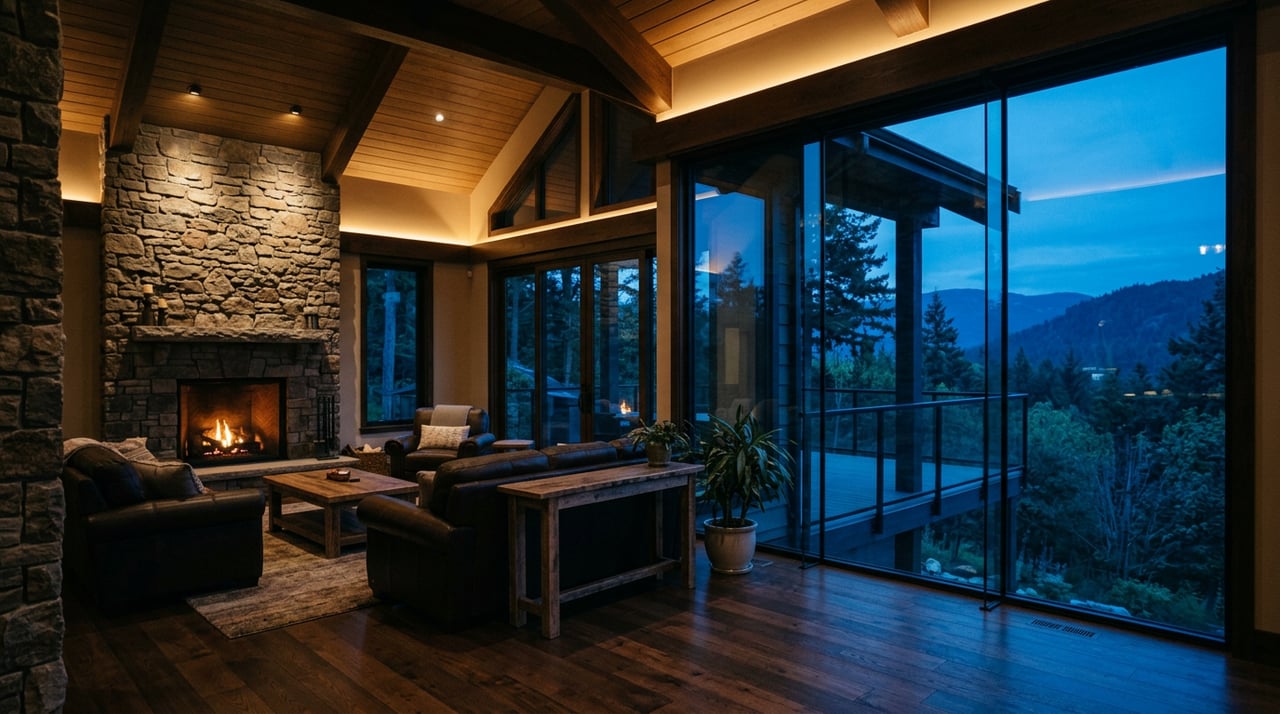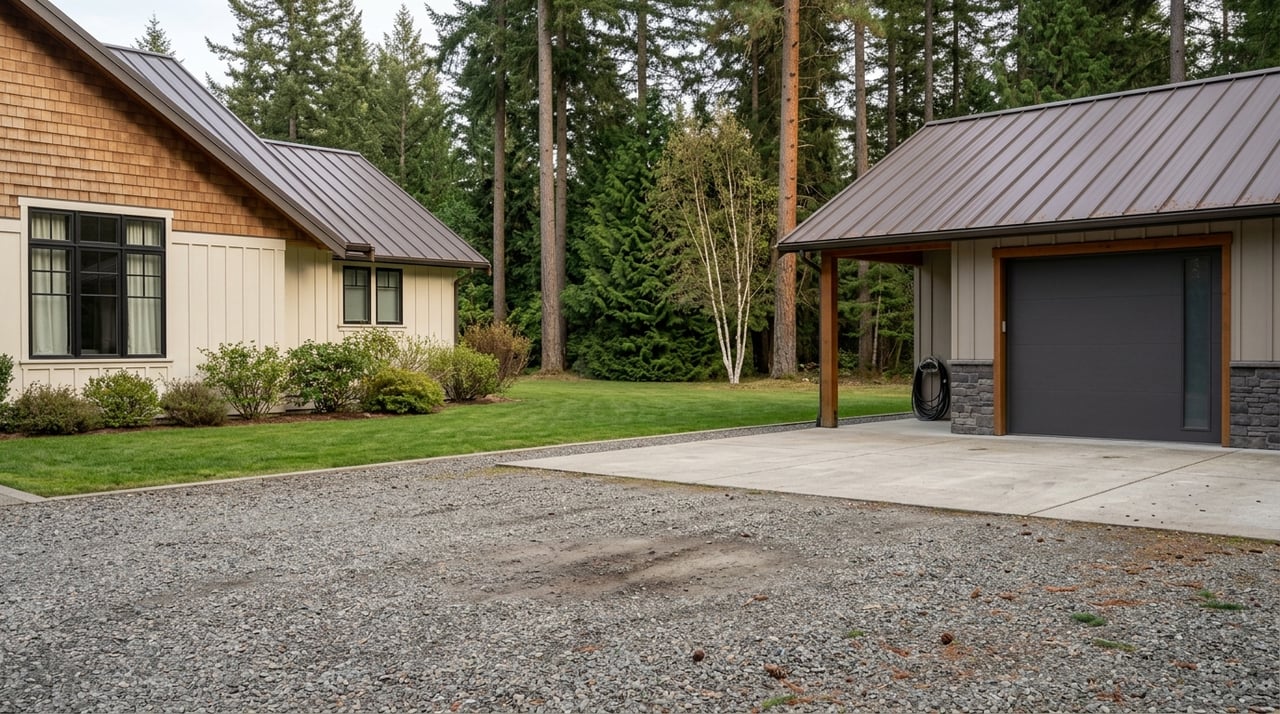
If you are getting ready to sell an acreage home in Dalton Gardens, your prep list should go beyond paint colors and decluttering. Buyers here often look just as closely at the land, outbuildings, fencing, irrigation, and utility systems as they do the kitchen or primary suite. When you know what local buyers are likely to notice and what local rules may affect your property, you can prepare more strategically and bring your home to market with more confidence. Let’s dive in.
Why acreage prep matters in Dalton Gardens
Dalton Gardens is shaped by a semi-rural feel, one-acre residential lots, and a layout that gives buyers a clear view of how land is used. In a market like this, buyers are not only asking whether the home shows well inside. They are also asking whether the land feels open, functional, and well cared for.
That means your property’s first impression may come from the driveway, pasture edge, garden layout, shop, fence lines, or the condition of the lawn and trees. For many buyers, the value story starts outside and then continues indoors.
Start with code and property use
Before you invest in landscaping, staging, or marketing photos, confirm how your property’s features fit current Dalton Gardens rules. This step can help you avoid confusion later and keep your marketing accurate from day one.
Dalton Gardens code limits residential properties to one single-family dwelling unit per acre or single lot, whichever is less. The current code also says accessory dwelling units are prohibited, so if you have detached living space, a studio, or guest quarters, it is important to review how that space should be described before listing.
Review detached buildings carefully
Shops, barns, sheds, and other detached structures can add appeal to an acreage property, but buyers will want to know what those buildings are meant for. Local code allows standard accessory buildings attached to a single-family dwelling use, but accessory structures and detached spaces should be presented according to their actual permitted use.
If your property includes horse-related improvements or other animal-use features, those should also be reviewed carefully. Dalton Gardens treats equine boarding facilities as a special-use permit category, which makes accurate documentation especially important.
Clean up the land before anything else
On acreage, clutter reads bigger. A few extra trailers, stacked materials, old equipment, or overgrown weed patches can make a property feel less maintained, even if the home itself is in great shape.
Dalton Gardens treats abandoned vehicles, trash, junk, and noxious weeds or unkempt landscaping that create a fire hazard as nuisances. If you want buyers to feel confident about the property, remove broken equipment, haul off debris, and address any visibly neglected areas early in the prep process.
Tackle temporary storage
This matters more than many sellers expect. Dalton Gardens limits temporary storage to no more than two portable storage containers or cargo trailers per lot, with time limits unless they are tied to active permitted construction or a substantial remodel.
That makes a pre-listing clean-out worth the effort. If you were planning to use containers or trailers while preparing to move, create a timeline that keeps the property looking clean before photography and showings begin.
Make gardens and hobby features look intentional
Dalton Gardens allows uses such as home gardens, gardening of vacant land, and seasonal agricultural or horticultural products in residential areas. That means garden beds, orchard rows, and hobby-farm elements can support your marketing story if they appear maintained and purposeful.
Trim edges, define planting areas, clear out dead growth, and organize tools or supplies. Buyers respond better when they can quickly understand how the land is used and how they might use it themselves.
Check fences, trees, and easements
Fence condition affects both appearance and buyer questions. In Dalton Gardens, front-yard fences may not exceed 4 feet, rear-yard fences may go to 6 feet, and some wire, rail, and wire-mesh fencing has separate allowances depending on placement and setbacks.
All fences must also preserve vision triangles, and trees near intersections must be trimmed to 8 feet above street level within 25 feet of the property line. If your fencing leans, sags, or appears inconsistent, repairs and trimming can make the whole parcel feel more orderly.
Respect irrigation restrictions
Dalton Irrigation says nothing should be built, placed, or planted within 20 feet on either side of irrigation mains without written approval. That includes buildings, pools, patios, berms, fences, trees, and shrubs.
If you are thinking about quick cosmetic improvements before listing, pause before adding decorative fencing, new planting beds, or landscape features near known irrigation areas. It is better to avoid a last-minute issue than create one during the selling process.
Put septic and well records together early
In Dalton Gardens, utility systems are often part of the first round of buyer questions. The city’s planning documents note that the residential area relies on onsite septic regulation rather than a sewer network many buyers may expect, so septic condition becomes a core part of your property story.
The earlier you gather records, the easier it is to answer questions with confidence. Waiting until a buyer asks can create unnecessary stress and delay.
Septic should be a first-step task
Dalton Gardens code says sewage systems should be pumped every five years. Idaho DEQ recommends pumping and servicing septic systems every two to three years, which makes recent records especially helpful when you are preparing to list.
Panhandle Health District requires permits for all subsurface sewage disposal systems in Idaho, and its review process can take up to 10 working days after test-hole completion and scheduling. If repairs, evaluation, or drainfield work may be needed, handle that well before photography or launch.
Gather well information too
For private wells, Idaho DEQ recommends annual testing for nitrate and bacteria. DEQ also advises well owners to keep maintenance records, inspect the casing and cap, maintain surface seals, and keep the area graded so water drains away from the wellhead.
A clean utility area can reassure buyers. So can a simple folder with water test results, maintenance notes, and service invoices that help explain how the system has been cared for.
Follow the right prep sequence
One of the smartest ways to reduce stress is to work in the right order. On acreage properties, cosmetic prep should usually come after systems, permits, and compliance items are reviewed.
A simple sequence often looks like this:
- Review code-related features such as detached spaces, fences, storage, and animal-use improvements.
- Gather septic, well, and maintenance records.
- Address any needed permits, inspections, or repairs.
- Remove clutter, trailers, debris, and nonessential equipment.
- Trim landscaping, refresh garden areas, and tidy outdoor gathering spaces.
- Schedule staging guidance and professional photography.
This order helps you avoid doing beautiful finish work first and then having to backtrack because of a systems issue or permit question.
Prep for the photos buyers want to see
Acreage photography in Dalton Gardens should help buyers understand the land, not just admire the house. Because the city is compact, flat, and largely built around one-acre residential lots, photos are most effective when they show usable outdoor space clearly.
That usually means highlighting driveway flow, open lawn or field areas, garden spaces, fence lines, detached structures, and the relationship between the home and the land around it. Buyers want to picture how the property functions in real life.
Time exterior photos carefully
Dalton Irrigation operates on a seasonal watering schedule and asks residents to water on assigned days while avoiding runoff into streets. In practical terms, exterior photos often look strongest when irrigation is active and the property is green.
If possible, plan your listing timeline so the land looks healthy and settled rather than dry or half-finished. That timing can make a meaningful difference in how your acreage reads online.
Anticipate buyer questions before they ask
A well-prepared seller makes buyers feel more comfortable. When you can answer common acreage questions clearly, your property tends to feel more transparent and easier to understand.
Before listing, be ready for questions like these:
- Is the home on septic or sewer, and when was the system last pumped or serviced?
- Has the well been tested, and do you have water quality or maintenance records?
- What is the permitted use of the detached building or extra finished space?
- Are fences, trees, storage areas, and driveway features compliant with local rules?
- If there are animal-related improvements, what use is actually allowed?
Clear answers can help your home feel more market-ready from the start.
A strategic launch can reduce stress
Selling an acreage property in Dalton Gardens is not just about cleaning the house and putting up a sign. It is about showing buyers that the home, land, systems, and supporting structures have been thoughtfully prepared and accurately presented.
When you start early, handle utility and code questions first, and present the outdoor space with intention, you give your property a stronger foundation for photos, showings, and negotiations. If you want a concierge-style plan for preparing your Dalton Gardens acreage home for market, Rachael Holzhauser can help you create a smart, calm path to launch.
FAQs
What should you fix first before listing a Dalton Gardens acreage home?
- Start with septic, well records, code-related questions, and any permit or compliance issues before moving on to cosmetic improvements.
How important is land presentation for a Dalton Gardens acreage listing?
- It is very important because buyers in Dalton Gardens often evaluate how usable, open, tidy, and well-maintained the land feels along with the condition of the home itself.
Can you market a detached guest space as living quarters in Dalton Gardens?
- You should verify that carefully first, because current Dalton Gardens code says accessory dwelling units are prohibited.
Should you remove storage containers and trailers before listing in Dalton Gardens?
- Yes, in most cases a clean-out plan is a smart move because local rules tightly limit temporary storage containers and cargo trailers, and clutter can hurt presentation.
What utility records matter most for Dalton Gardens acreage sellers?
- Septic pump or service records, well test results, maintenance records, and any related permits or invoices are some of the most useful documents to gather before listing.
When is the best time to photograph a Dalton Gardens acreage property?
- Exterior photos are often strongest when irrigation is active and the land is green, since that helps show the property’s usable outdoor space more clearly.