Buying in Sandpoint from another state can feel daunting, but it does not have to be. You want clear communication, eyes on the ground, and a process that protects your interests. In this guide, you will learn how remote tours work, how to write a strong offer from afar, what to inspect in Bonner County, and how to close securely without getting on a plane. Let’s dive in.
Why remote buying works in Sandpoint
Sandpoint sits in Bonner County in North Idaho, surrounded by Lake Pend Oreille and mountain recreation. The area draws both relocating professionals and second‑home buyers, and many purchases happen remotely. Sandpoint observes Pacific Time, so plan live video tours and key deadlines around that schedule.
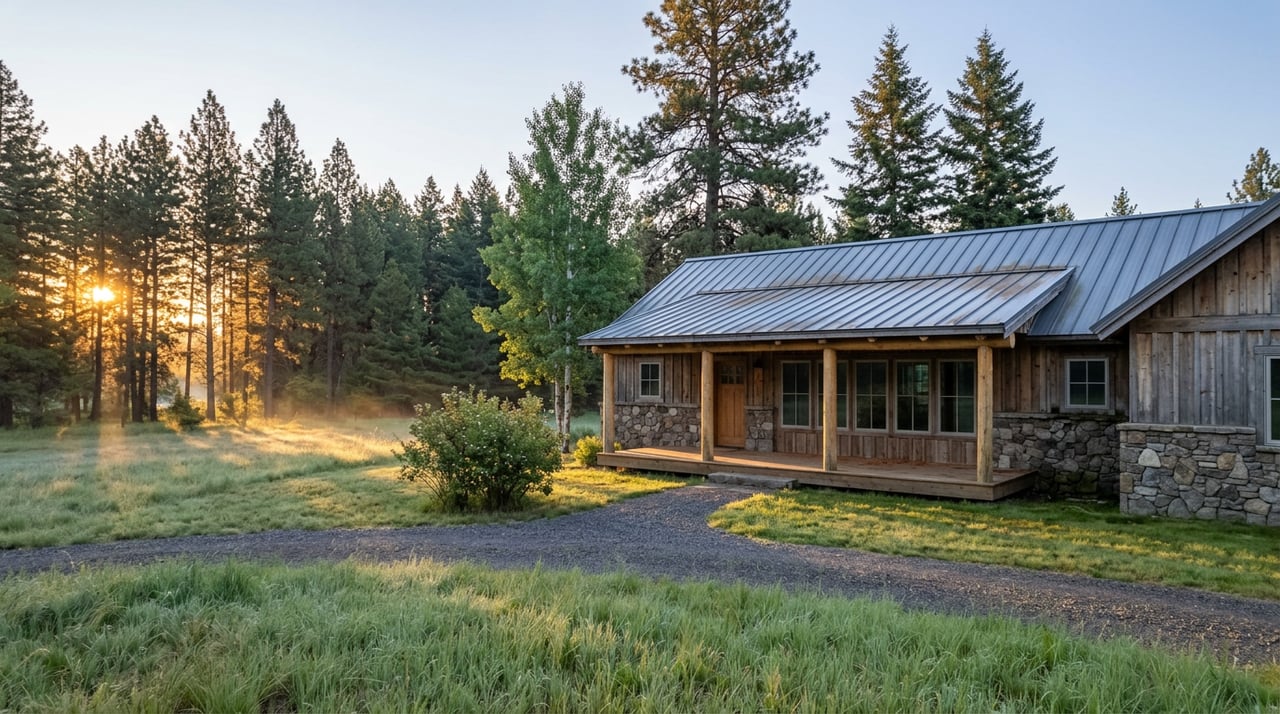
Inventory often includes waterfront, in‑town, and rural properties. Rural homes may have wells, septic systems, private driveways, and access easements. Desirable lakefront and in‑town listings can see competition, so being prepared helps you act quickly when the right home appears.
Your step‑by‑step remote path
Get set before tours
Start with an initial consultation about your goals, budget, timeline, and whether the property will be a primary or second home. If you plan to rent at any point, note that short‑term rental rules vary locally. Secure a lender pre‑approval or proof of funds before you tour seriously. Confirm your communication setup for FaceTime, Zoom, or recorded video, and sign representation documents for e‑signing.
Tour homes by video like a pro
You can attend live video tours through FaceTime or Zoom while the agent walks the property. Ask to see under sinks, the breaker panel, roof lines, attic or crawl space access, and HVAC components. Recorded walk‑throughs and optional drone footage help you understand lot slope, driveway access, and proximity to parks or the lake.
Ahead of tours, request a research checklist that covers disclosures, flood and wildfire risk mapping, septic and well permits, recent taxes and assessments, and HOA and short‑term rental rules if they apply. Virtual drive‑by videos at different times of day can show traffic flow and general area context.
Craft a smart offer from afar
Idaho contracts are typically handled with standard state forms and accepted via e‑signature. Coordinate your earnest money with the title or escrow company and verify all wire instructions by phone using a known number. Build protections into your offer that suit remote buying, including:
- Inspection contingency with clear timelines
- Appraisal and financing contingencies if you are financing
- Well and septic verification when applicable
- Roof, pest, and other specialty inspections as needed
- Seller disclosures and access for inspections
Inspections you can attend from anywhere
Hire local inspectors and join the inspection live on video. Typical checks include a general home inspection plus roof, pest, HVAC, and electrical as indicated by the home’s age and systems. For rural properties, add a septic inspection and pumping report, a well test for yield and potability, and a boundary review or survey if access or encroachments are in question. Waterfront or riparian properties also call for verification of setback rules and dock permits.
Negotiate repairs and credits remotely
Use detailed inspection reports, photos, and video to guide repair requests or credits. To avoid delays, consider repair credits, contractor estimates with agreed timelines, or escrow holdbacks when appropriate.
Title, appraisal, and surveys
Order title early and work with a closing team that handles out‑of‑state buyers routinely. Coordinate appraisal access with the seller and appraiser. If boundaries, driveways, or easements are uncertain, consider a new survey or an updated ALTA/NSPS survey for clarity.
Closing from your living room
Remote closing is common. Your options typically include Remote Online Notarization if accepted, a mobile notary who meets you in person, or a hybrid where some documents are e‑signed and others are wet‑signed. Some counties e‑record documents while others record in person. Schedule a video final walkthrough before closing to confirm the home’s condition, utilities, and key delivery logistics. For funds, wire to title or escrow per secure instructions and confirm by phone using a known number to prevent wire fraud.
Local checks that matter in Bonner County
- Wells and septic. Confirm well yield and water quality, pump function, and septic capacity and permits. Replacement or redesign can be costly and time consuming, so verify early.
- Easements and access. Many rural parcels have recorded easements or shared driveways. Ask title to confirm rights of way and any covenants that affect use.
- Wildfire and flood risk. Evaluate vegetation and defensible space, local fire district access, and flood zones. Insurance terms can vary with these risks.
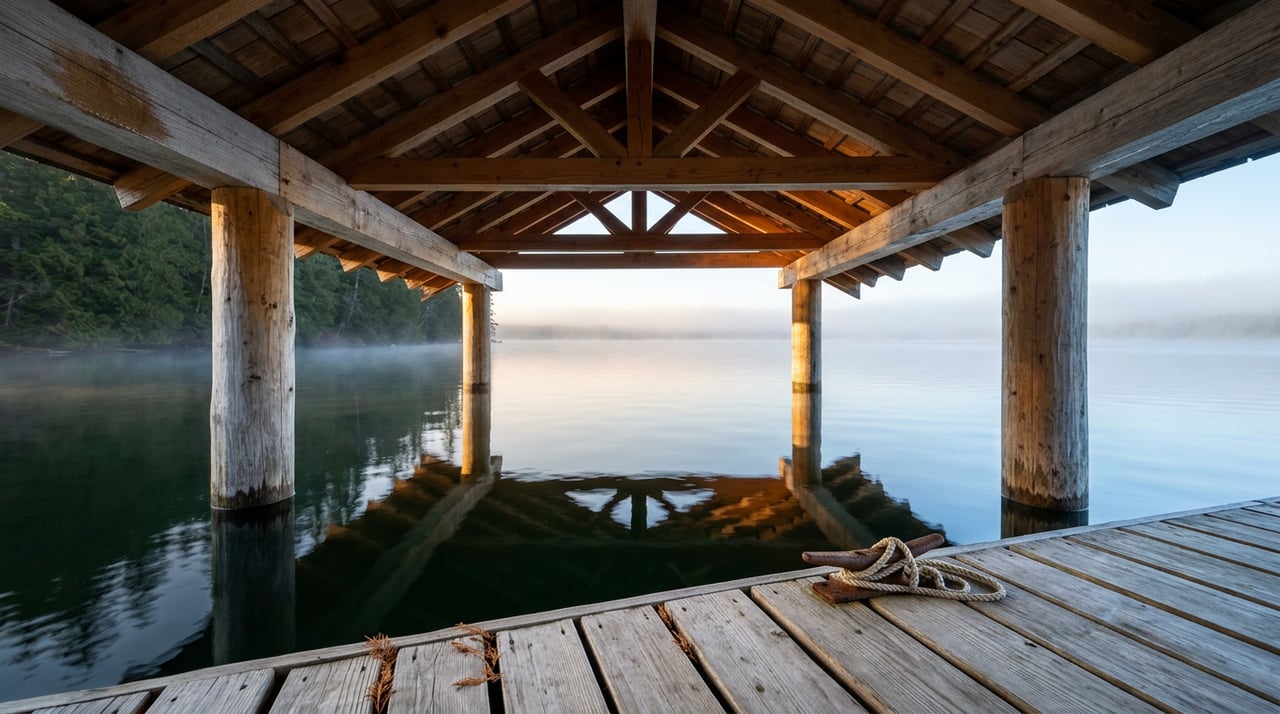
- Shoreline and docks. For Lake Pend Oreille properties, verify shoreline setbacks and dock permitting requirements.
- Short‑term rentals. City and county rules differ. Confirm zoning, licensing, inspections, and any HOA restrictions before counting on STR income.
My concierge workflow for remote buyers
Here is a practical framework you can expect from a high‑touch, remote‑friendly process.
Phase A: Onboarding and research
- Intake call about goals, timeline, financing, and must‑haves
- Pre‑approval or proof of funds confirmed
- Welcome packet with sample timeline, document list, and local vendor options
- Curated shortlist with area context
Phase B: Virtual showings and vetting
- Scheduled FaceTime or Zoom tours, recorded for later review
- Drone and lot footage when needed
- County checks for septic, well, and floodplain red flags
Phase C: Offer through inspection
- Offer prepared and e‑signed; earnest money coordinated securely
- Inspections ordered immediately after acceptance
- Live virtual participation in inspections; reports and estimates gathered
- Repair or credit negotiations finalized in writing
Phase D: Underwriting, title, and closing
- Appraisal coordination and access
- Title commitment ordered; closing method set early
- Video final walkthrough and key handoff plan
- Secure wire steps confirmed two business days before closing
- Recordation tracked and confirmed
Phase E: Post‑closing and move‑in
- Vendor list for utilities, movers, cleaning, and property management if needed
- Area orientation for services like trash, library, and local contacts
- Turnkey help for meter setup, internet appointments, mail forwarding, and HOA introductions
What documents to have ready
- Pre‑approval letter or proof of funds
- Government ID and contact details
- Power of attorney if you plan to use one
- Bank details for earnest money and closing wires
- A list of questions about utilities, HOA rules, permits, and rental policies
Timeline and expectations
Many remote purchases close in 30 to 45 days. Financing, appraisal, title, or survey needs can extend to 45 to 60 days or longer. Cash purchases can shorten the timeline. Your pace will depend on property type, inspections, lender requirements, and county recording.
Move‑in support after you close
A strong remote process does not end at signing. After closing, expect support with utility transfers, mover referrals, cleaners, and, if you plan to rent, property management introductions. You should also receive quick references for local services so your first trip to Sandpoint feels smooth.
Ready to explore Sandpoint from wherever you are? Let a local concierge approach do the heavy lifting while you stay confident at every step. Reach out to Rachael Holzhauser to schedule a free consultation.
FAQs
Can I buy a Sandpoint home sight‑unseen?
- Yes, but it carries risk. Use live or recorded video tours, full inspections, solid seller disclosures, and strong contingency language to protect your position.
How do inspections work if I am out of state?
- Hire local inspectors and attend by video. Request written reports with photos and prioritize roof, structure, HVAC, septic, and well tests where applicable.
Are remote closings valid for Bonner County purchases?
- Many closings use e‑signatures and either Remote Online Notarization or a mobile notary, depending on the title company and county practices. Confirm your closing method early.
How do I wire funds safely to close on a Sandpoint home?
- Call the title company using a known phone number to confirm wire instructions. Do not rely solely on email. Follow your bank’s fraud prevention steps and wire early.
What Sandpoint‑area checks are essential for rural or waterfront homes?
- Verify well yield and water quality, septic permits and condition, shoreline or dock rules for lakefront, wildfire defensible space, and any recorded easements or shared drives.
Can I use short‑term rentals to offset costs in Sandpoint?
- Possibly. Rules differ between the City of Sandpoint and unincorporated Bonner County, and HOA restrictions may apply. Confirm all requirements before relying on STR income.